How to Downsize Before Moving in Massachusetts: Practical Tips for a Simpler Relocation
Downsizing before moving is an effective way to simplify relocation, reduce clutter, and create a more organized living environment. Whether transitioning from a large house to a smaller apartment or relocating within Massachusetts, reducing unnecessary belongings can make moving easier.
With careful planning, homeowners and renters can identify essential possessions, organize furniture, and prepare for a more manageable relocation.
Start Downsizing Early
Downsizing takes time, especially when you have accumulated belongings over several years.
Begin reviewing household items several weeks before your scheduled move.
Divide the process into manageable tasks rather than attempting to organize your entire home at once.
Starting early provides more time to make thoughtful decisions.
Create a Room-by-Room Inventory
Begin by listing furniture, appliances, clothing, electronics, and household supplies.
Review each room individually and identify belongings you regularly use.
Separate essential items from possessions that no longer serve a practical purpose.
A detailed inventory helps determine how much space and transportation capacity your relocation may require.
Measure Your New Living Space
Before deciding which furniture to keep, review the dimensions of your new residence.
Measure bedrooms, living areas, doorways, and storage spaces.
Compare these measurements with your existing furniture to determine which pieces will fit.
Creating a simple floor plan can help prevent unnecessary furniture transportation.
Consider Professional Small Moving Assistance
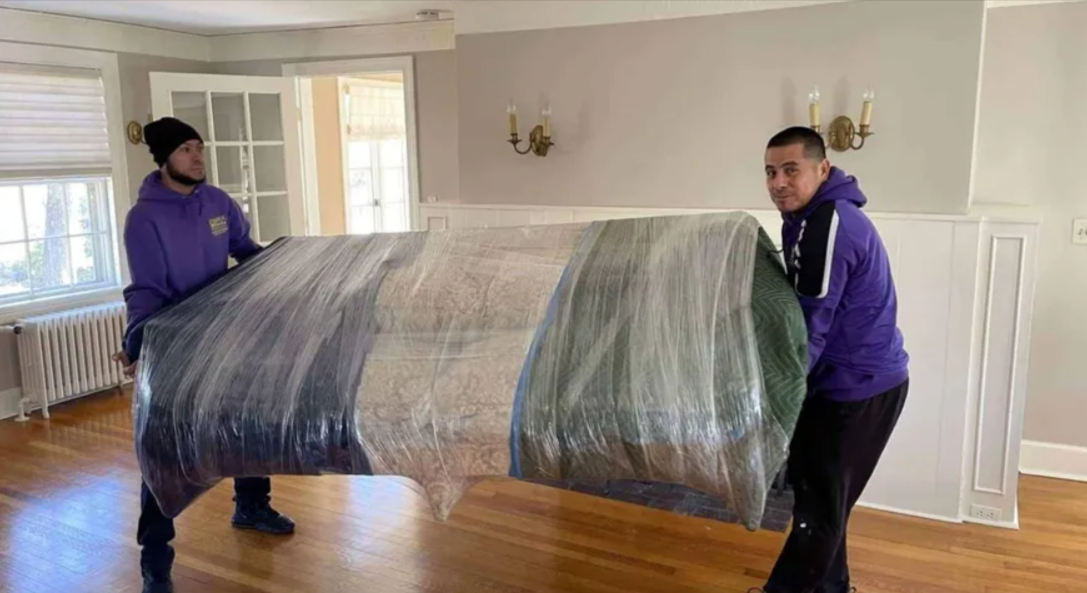
Downsizing often means transporting fewer belongings, but furniture handling and packing can still require significant effort.
Massachusetts residents researching professional small moving services can explore relocation assistance available through Carmel Movers.
The company provides moving services for different household relocation requirements.
Discuss your inventory, pickup location, destination, and preferred schedule before requesting an estimate.
Sort Belongings Into Categories
Organizing belongings into clear categories makes downsizing more manageable.
Create separate groups for items you want to keep, donate, sell, recycle, or discard.
Consider the usefulness, condition, and sentimental value of each possession.
Avoid transporting belongings that you already know will not fit your new living space.
Donate Unwanted Household Items
Donating usable belongings can help reduce clutter while benefiting others.
Consider donating clothing, kitchen supplies, books, and furniture that remain in suitable condition.
Contact local donation organizations to confirm accepted items and available collection arrangements.
Schedule donations before moving day whenever possible.
Sell Furniture and Unused Possessions
Selling unwanted belongings may help recover part of your moving expenses.
Consider listing furniture, electronics, and household equipment through appropriate resale platforms.
Provide accurate descriptions and clear photographs of each item.
Arrange safe collection procedures and allow enough time to complete transactions before relocation.
Organize Important Documents
Downsizing provides an opportunity to review paperwork and household records.
Separate important identification, financial documents, property records, and medical information.
Store essential paperwork securely and keep it accessible throughout relocation.
Dispose of unnecessary sensitive documents using appropriate secure methods.
Reduce Kitchen and Storage Clutter
Kitchens, closets, garages, and storage areas often contain items that are rarely used.
Review duplicate utensils, outdated equipment, unused decorations, and unnecessary household supplies.
Check expiration dates and follow appropriate disposal guidelines.
Reducing these items can simplify packing and unpacking.
Pack Remaining Belongings Carefully
Once downsizing is complete, organize the belongings you intend to transport.
Use sturdy moving boxes, protective wrapping, and suitable packing materials.
Pack heavy items in smaller containers and lightweight belongings in larger boxes.
Label each container with its contents and destination room.
Consider Storage for Selected Belongings
Some possessions may not fit immediately into your new home but may still be worth keeping.
Consider whether temporary or long-term storage is appropriate for seasonal belongings, furniture, or sentimental items.
Evaluate storage expenses before making a decision.
Choose storage arrangements based on your available space and future needs.
Understand Downsizing Moving Costs
Moving expenses may depend on transportation distance, household inventory, labor requirements, and property accessibility.
Reducing the volume of belongings may simplify transportation requirements, although actual costs depend on the service arrangement.
Request a written estimate explaining included services and potential additional charges.
Compare options based on your relocation needs.
Contact Carmel Movers for Massachusetts Moving Assistance
Carmel Movers serves Massachusetts customers through its Boston and Framingham offices and offers residential moving, packing, furniture transportation, and storage-related services.
Contact the company to discuss your downsizing plans, moving inventory, preferred schedule, and available relocation assistance.
Carmel MoversBoston Office:
65 Sprague St, Boston, MA 02136
Phone: 800-287-2042
Framingham Office:
143 Maynard Rd, Framingham, MA 01701
Phone: 508-283-9990
Email: [email protected]
Website: carmelmoving.com
Final Thoughts
Downsizing before moving in Massachusetts can help reduce clutter, improve organization, and simplify the relocation process.
By reviewing household belongings, measuring your new space, donating unwanted items, and packing carefully, you can prepare for a more comfortable transition.
Thoughtful downsizing and suitable professional moving assistance can help make settling into a smaller home easier and more manageable.